


Hair fall is normal to some extent (about 50–100 hairs per day). If you’re losing more than that, or your hair is becoming visibly thinner, it’s worth addressing the cause.
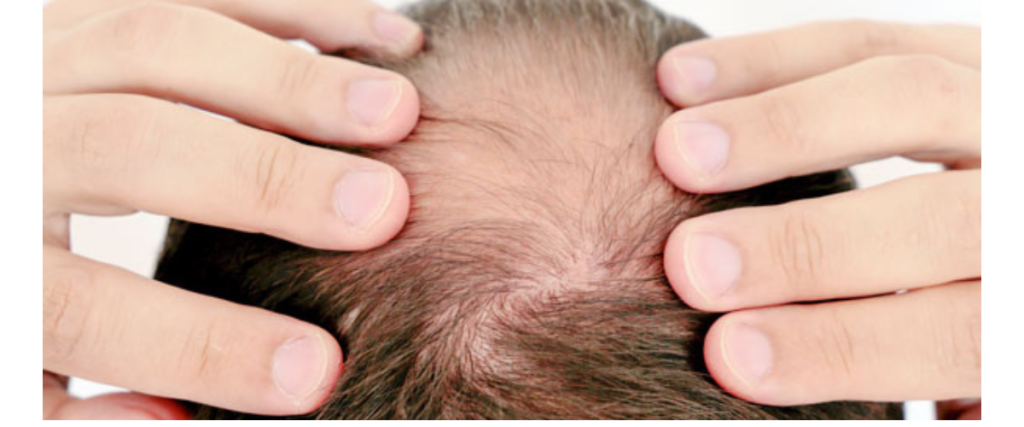
Common causes of hair fall
1. Genetics (male or female pattern baldness)
2. Nutritional deficiencies (low protein, iron, vitamin D, vitamin B12, zinc)
3. Stress or lack of sleep Hormonal changes (thyroid disorders, pregnancy, PCOS)
4. Scalp problems (dandruff, fungal infections)
5. Certain medications or illnesses
6. Frequent heat styling, bleaching, or tight hairstyles
Best diet to reduce hair fall
Eat a balanced diet rich in:
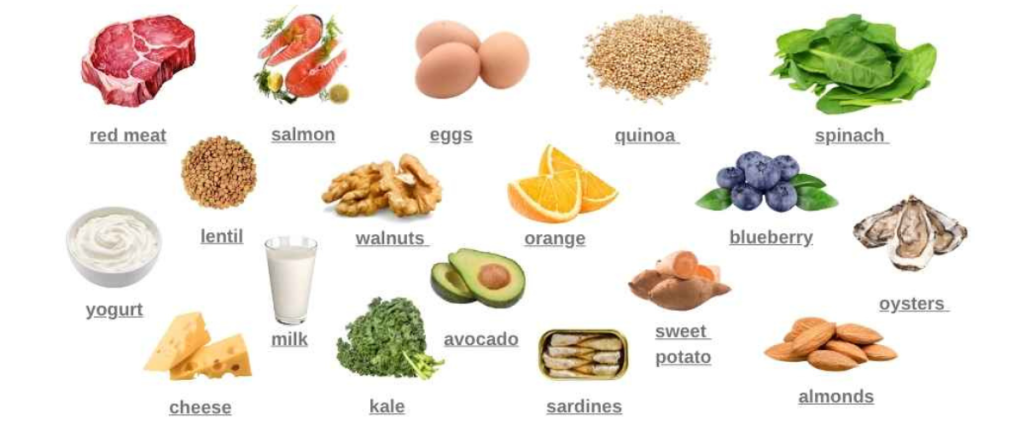
Protein: Eggs, chicken, fish, paneer, soybeans, lentils
Iron: Spinach, beans, jaggery, lean meat
Vitamin C: Oranges, amla, guava, lemons (helps absorb iron)
Healthy fats: Almonds, walnuts, flaxseeds, chia seeds
Biotin & B vitamins: Eggs, nuts, whole Grains
zinc: Pumpkin seeds, chickpeas, dairy
Vitamin D: Sunlight exposure and fortified foods
Drink 2–3 liters of water daily.
Methods to prevent hair fall

Sleep 7–9 hours every night.
Exercise regularly and manage stress.
Wash your scalp 2–3 times a week with a mild shampoo.
Massage your scalp gently with oil 1–2 times a week if you enjoy it.
Avoid very tight hairstyles and excessive heat styling.
Don’t smoke, and limit alcohol.
Treat dandruff promptly if you have it.
When to see a doctor
Consult a dermatologist if:
Hair fall is severe or sudden.
You notice bald patches.
Hair loss continues for more than 3 months.
You have scalp itching, redness, or pain.